by Christy Rohrig | Oct 22, 2026 | Terrier
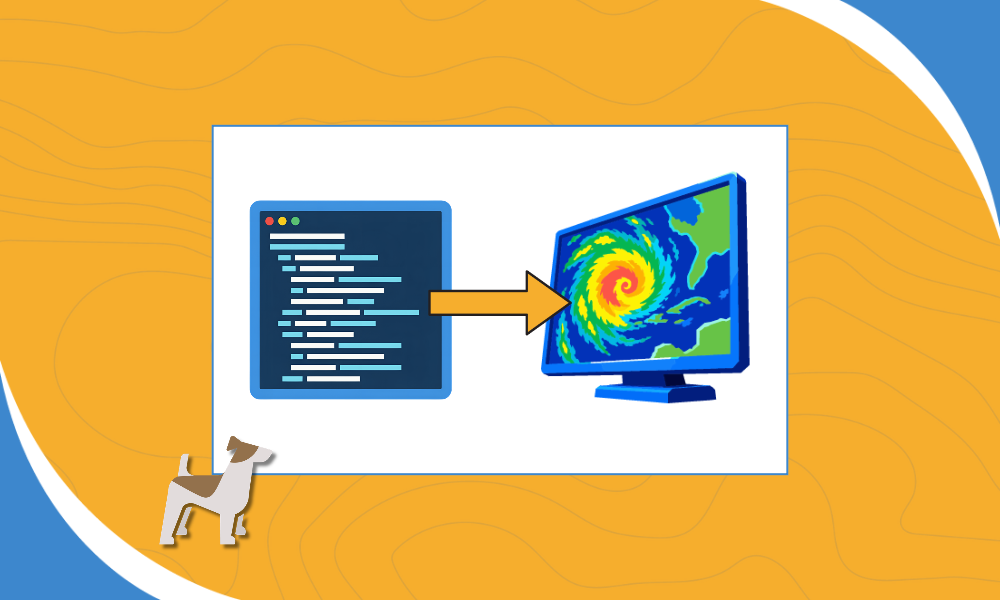
Two simple prompts and one public GitHub repo helped an AI coding assistant build a working weather radar app in minutes. The request was simple: build a weather radar map web tool using Wet Dog Weather’s TerrierWebSkill. No framework choices, no layer lists, no...
by David Crowe | Oct 22, 2026 | Terrier
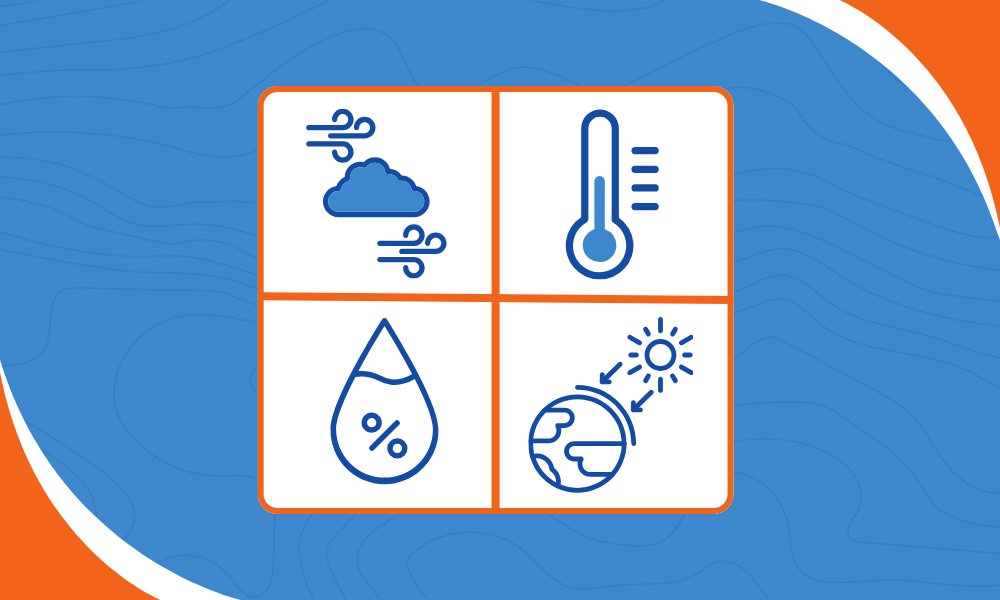
When summer heat becomes dangerous, temperature alone doesn’t tell the whole story. A 92-degree afternoon in dry air feels very different from 92 degrees with high humidity, full sun, and little wind. The heat index accounts for temperature and relative...
by Daphne Thompson | Oct 1, 2026 | Boxer, Terrier
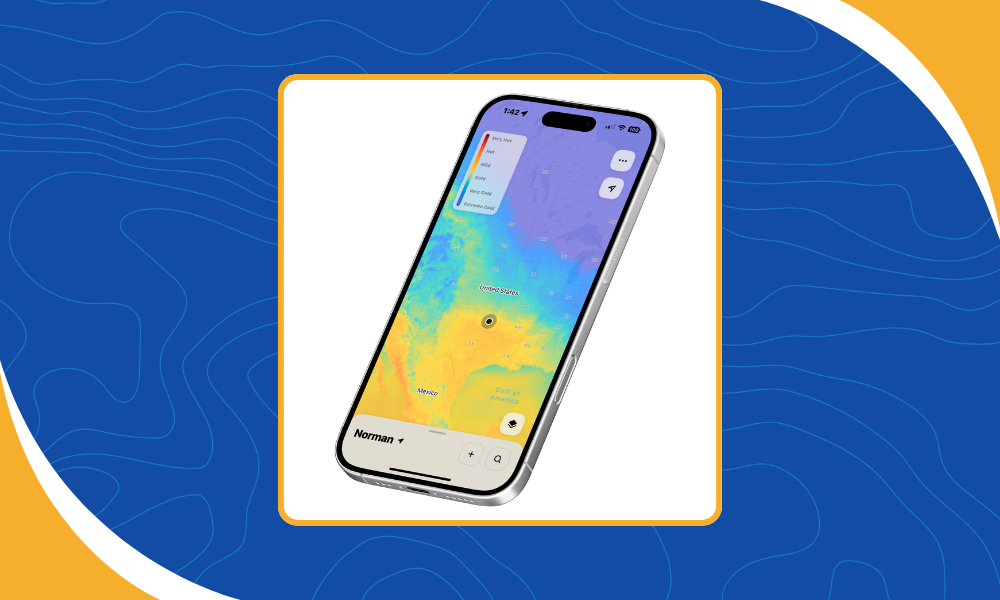
When most people open a weather app, they’re greeted by a familiar sight: a radar map showing rain and storms moving across the landscape. Radar has become synonymous with weather data, but it’s only one of many weather map layers that help people make...
by David Crowe | Sep 17, 2026 | Boxer, Terrier
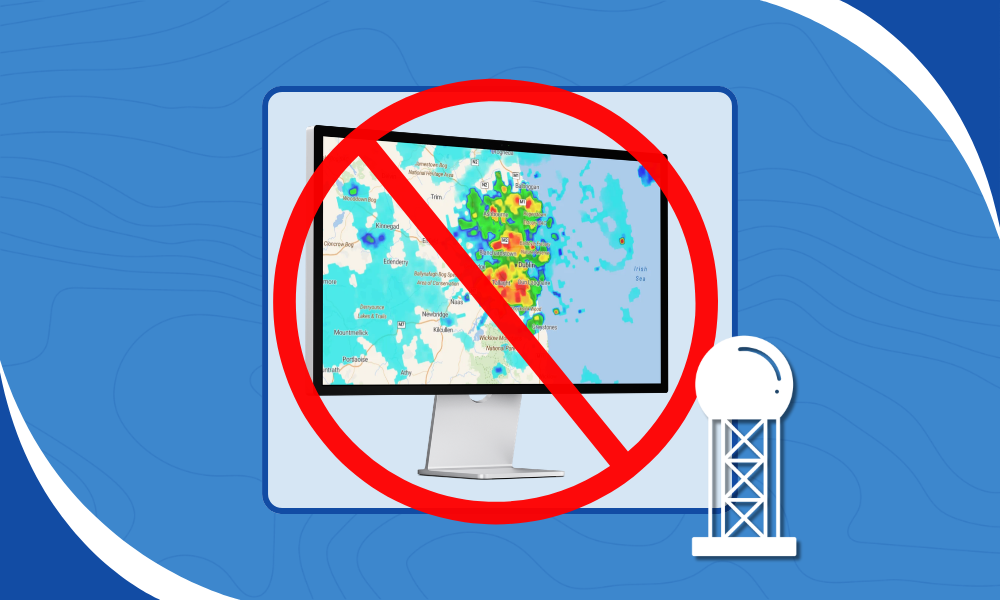
We are processing the EUMETNET OPERA composite today, and European radar data is now available upon request. That means pan-European radar reflectivity is ready to go alongside the North American products we already offer. As we’ve been testing the composite,...
by David Crowe | Aug 27, 2026 | Terrier
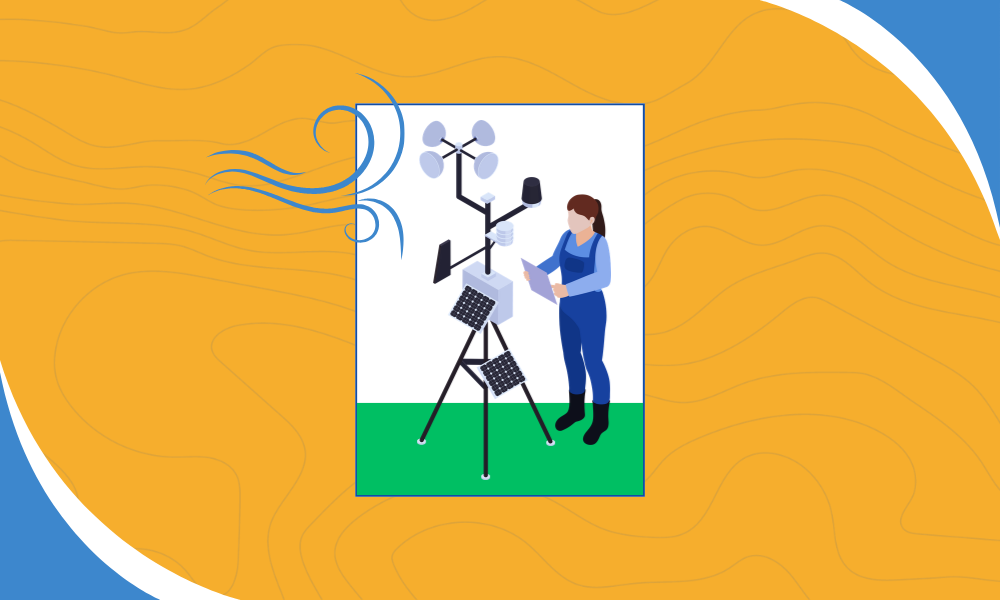
Since the 17th century, humanity has gleaned quantifiable insights into the happenings of our atmosphere near the surface. Torricelli inverted a mercury tube in 1643 and gave us the barometer, and the instruments that followed turned weather from something observed...

by Daphne Thompson | Aug 20, 2026 | Terrier
This summer, three college students set out to answer the same question: How can AI help build better weather applications? During their internships at Wet Dog Weather, Alicia Skiver-Palmer, Lex Hudson, and Antonio McElfresh each developed unique AI weather...