Articles
Thoughts and insights from a team building a weather data platform designed to make complex weather data easier to use.
How to Use an AI Coding Assistant With Terrier
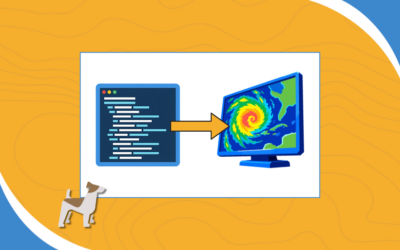
Two simple prompts and one public GitHub repo helped an AI coding assistant build a working weather radar app in minutes. The request was simple: build a weather radar map web tool using Wet Dog Weather's TerrierWebSkill. No framework choices, no layer lists, no...
Wet Bulb Globe Temperature: What You Need to Know
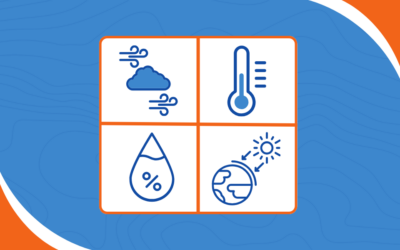
When summer heat becomes dangerous, temperature alone doesn't tell the whole story. A 92-degree afternoon in dry air feels very different from 92 degrees with high humidity, full sun, and little wind. The heat index accounts for temperature and relative humidity, but...
The Challenge of Working With Multiple Weather Data Sources
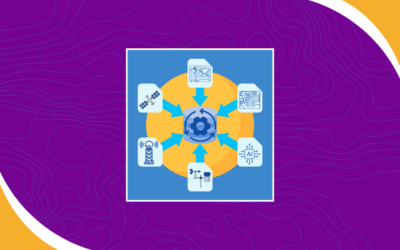
Weather data used to come from a relatively familiar list of sources: weather stations, radar, satellites, and numerical weather models. Today, that list is getting much longer. There are more sensors, observation networks, high-resolution models, machine learning...
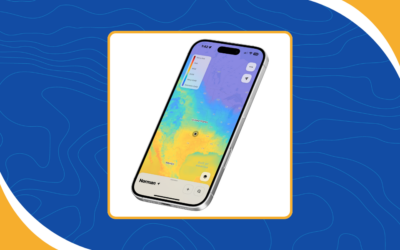
How to Choose the Right Weather Map Layers
When most people open a weather app, they're greeted by a familiar sight: a radar map showing rain and storms moving across the landscape. Radar has become synonymous with weather data, but it's only one of many weather map layers that help people make informed...
Building Better Weather Data Monitoring
It's been a while since we've talked about the infrastructure behind Boxer, our cloud-native weather data processing system. Because Boxer ingests and processes weather datasets from a variety of sources, we've been investing in automated testing to improve our...
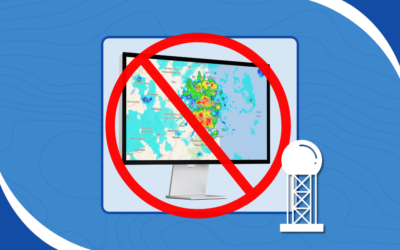
European Radar Data and the Challenge of Quality Control
We are processing the EUMETNET OPERA composite today, and European radar data is now available upon request. That means pan-European radar reflectivity is ready to go alongside the North American products we already offer. As we've been testing the composite, we've...
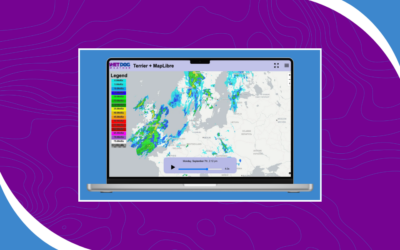
European Weather Radar Now Available
We're adding a new data set to our mix: a European radar composite. If you're building weather applications for Europe, finding reliable European weather radar data isn't always as straightforward as it is in the United States. That's why we've started testing the...

The Truth About AI-Generated Code Isn’t What You Think
During the summer of 2026, three meteorology students spent nearly three months building weather applications with AI. One developed a storm chasing dashboard packed with professional forecasting tools. Another created a fishing forecast application designed around...
Better Observations Through Proper Weather Station Siting
Since the 17th century, humanity has gleaned quantifiable insights into the happenings of our atmosphere near the surface. Torricelli inverted a mercury tube in 1643 and gave us the barometer, and the instruments that followed turned weather from something observed...
Have a project in mind?
Our weather data platform handles everything from standard datasets to custom data, whether purchased or generated in-house. Customers can have their own Boxer stack with access to Terrier front-end tools, and we provide full support for processing, transforming, and delivering weather information efficiently. Customization is where our expertise shines, helping you get exactly the weather insights you need. Let’s work together to bring your next weather data project to life!