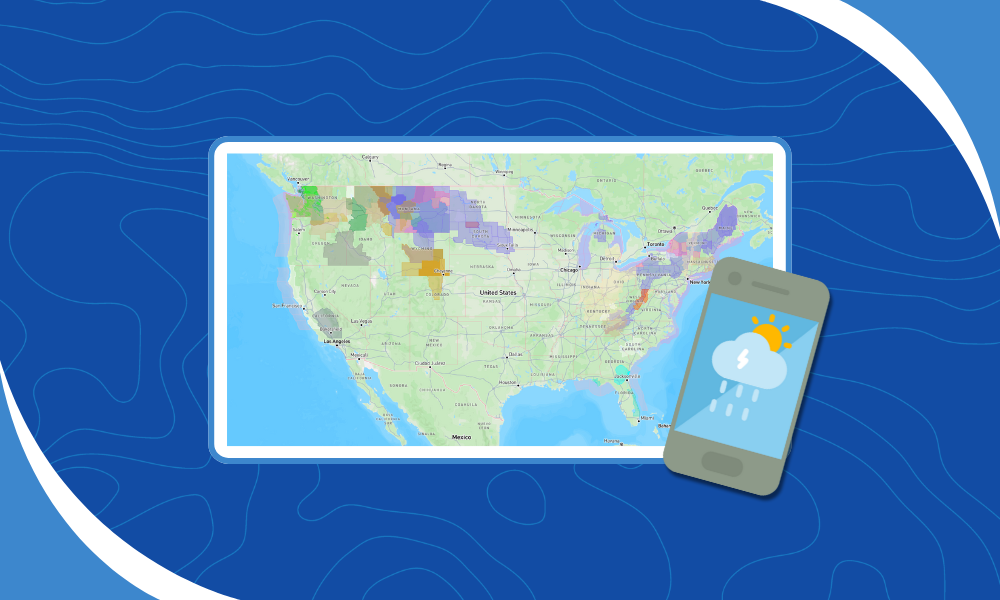
We are delighted to announce we’ve added National Weather Service Warnings, Watches, and Alerts to our products, and this update introduces our new focus on WWA weather data.
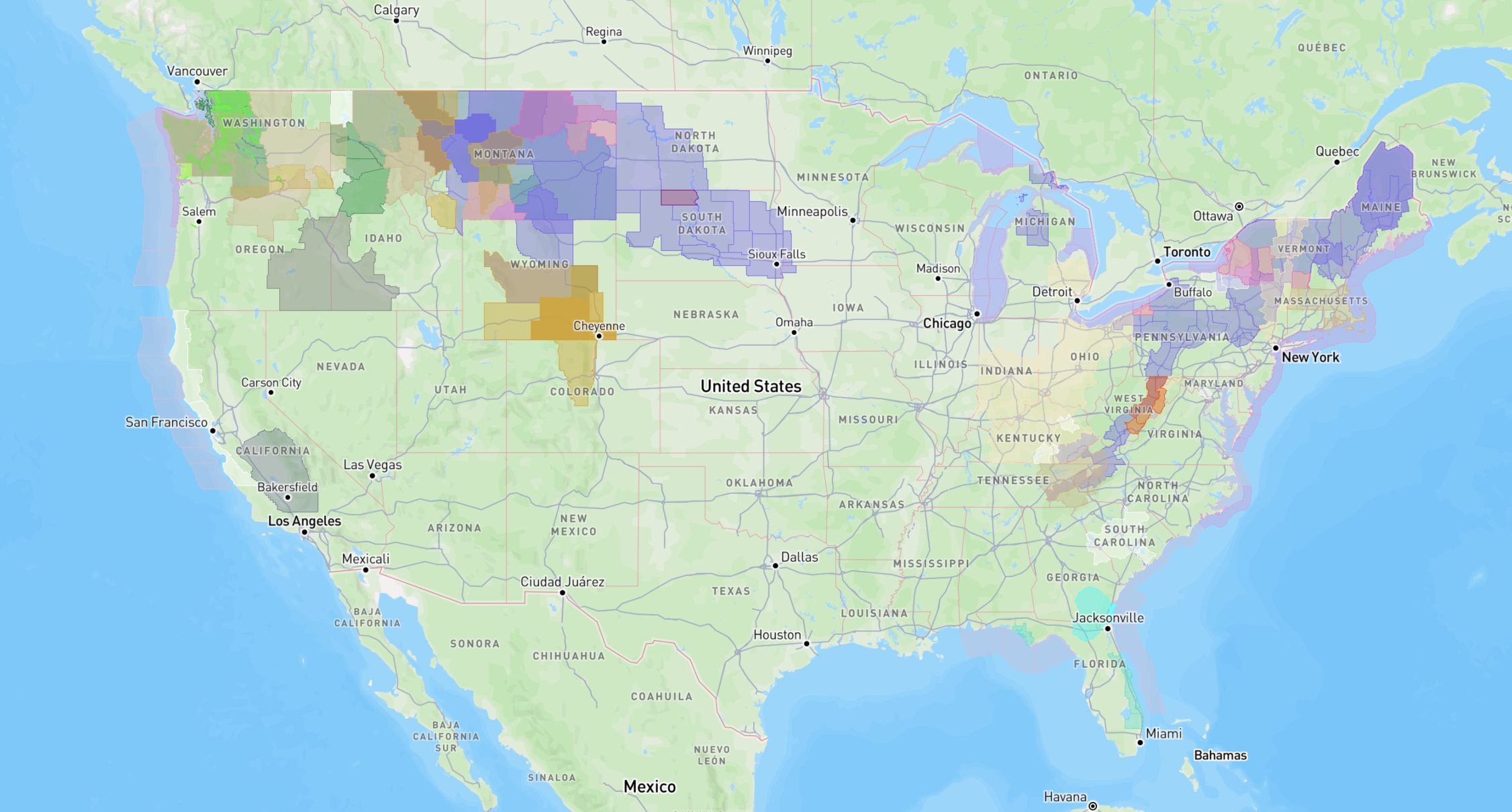
The initial integration is with Terrier for Mobile, and the screenshot above is from an iPad test app. If you’re using Terrier for Mobile, you can access this WWA weather data right now.
What are Warnings, Watches, and Alerts?
We often shorten these to WWA. They represent the guidance the National Weather Service provides when weather conditions may become dangerous. WWA gives the public an early signal about what might happen, what is likely to happen, and what is already taking place.
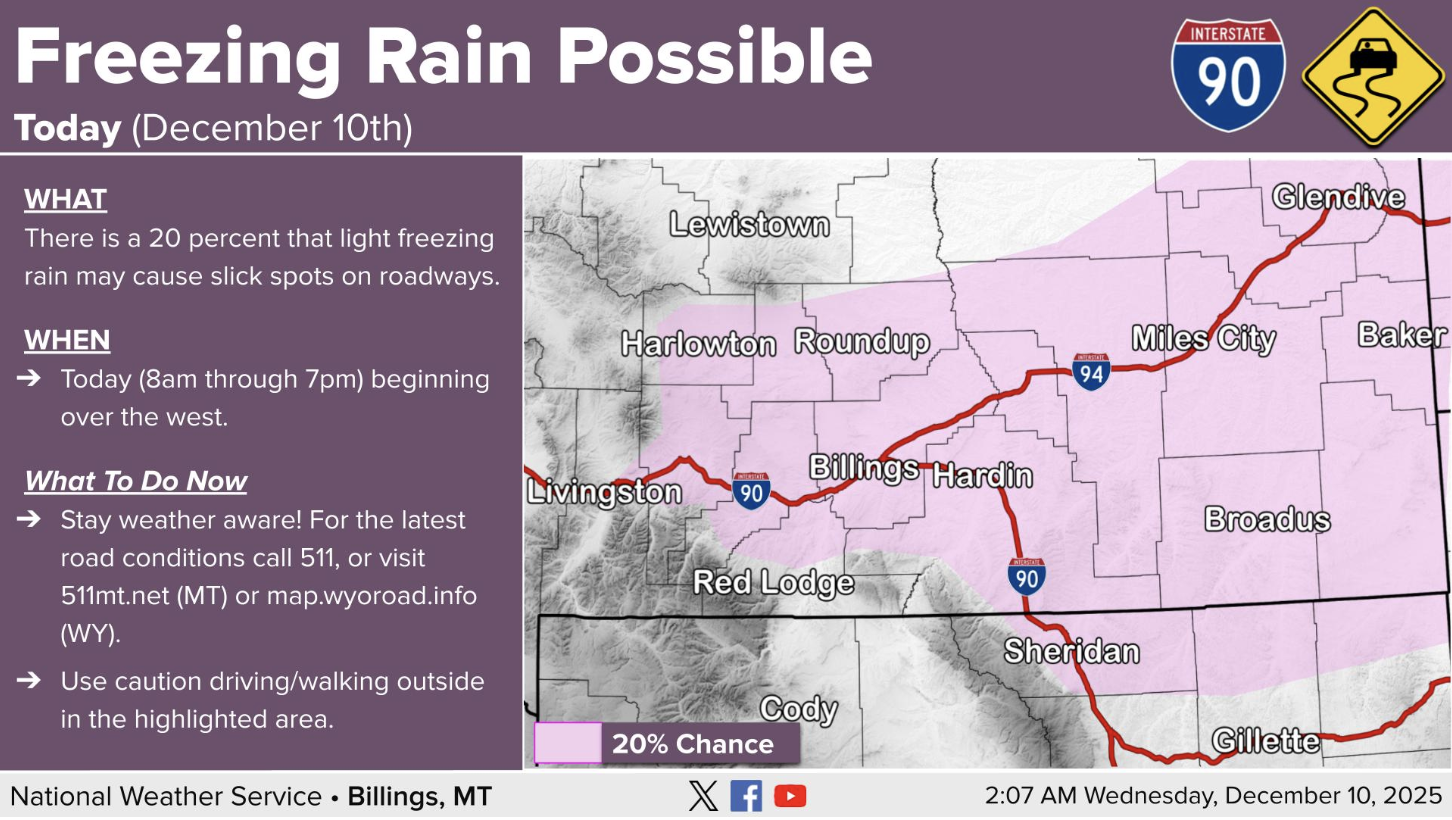
At the simplest level, WWA are polygons that define an event. Each polygon carries information about severity, timing, and other details related to the unfolding situation. These shapes drive many of the notifications that appear in everyday weather apps.
WWA Weather Data within Wet Dog Weather
Right now, our handling of WWA weather data is intentionally straightforward. We gather the warnings from the National Weather Service every few minutes. Then we serve them up for display. The data includes the polygon outline and every field the NWS provides.
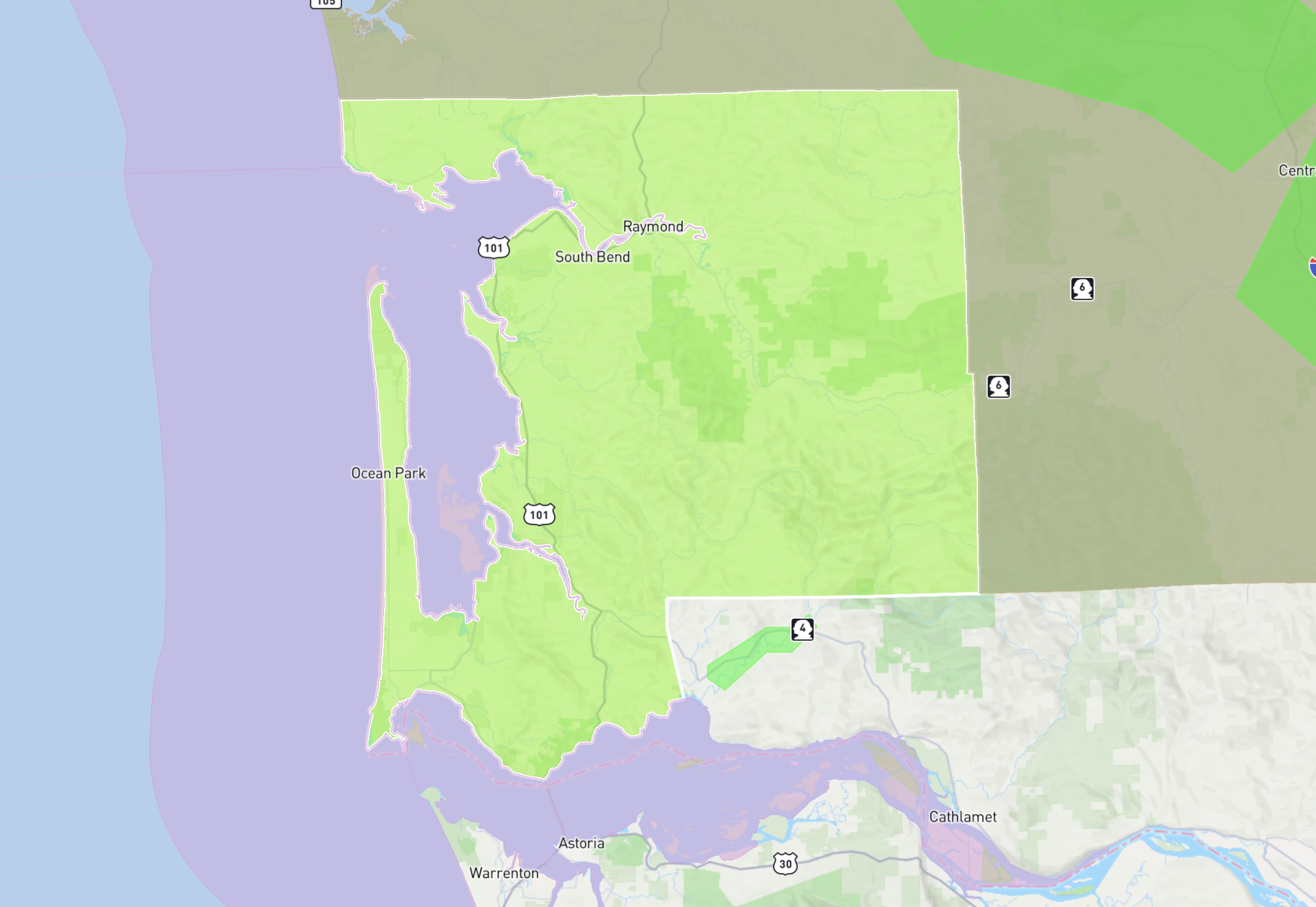
The green polygon above shows a Coastal Flood Advisory and includes many additional fields that we pass to the app.
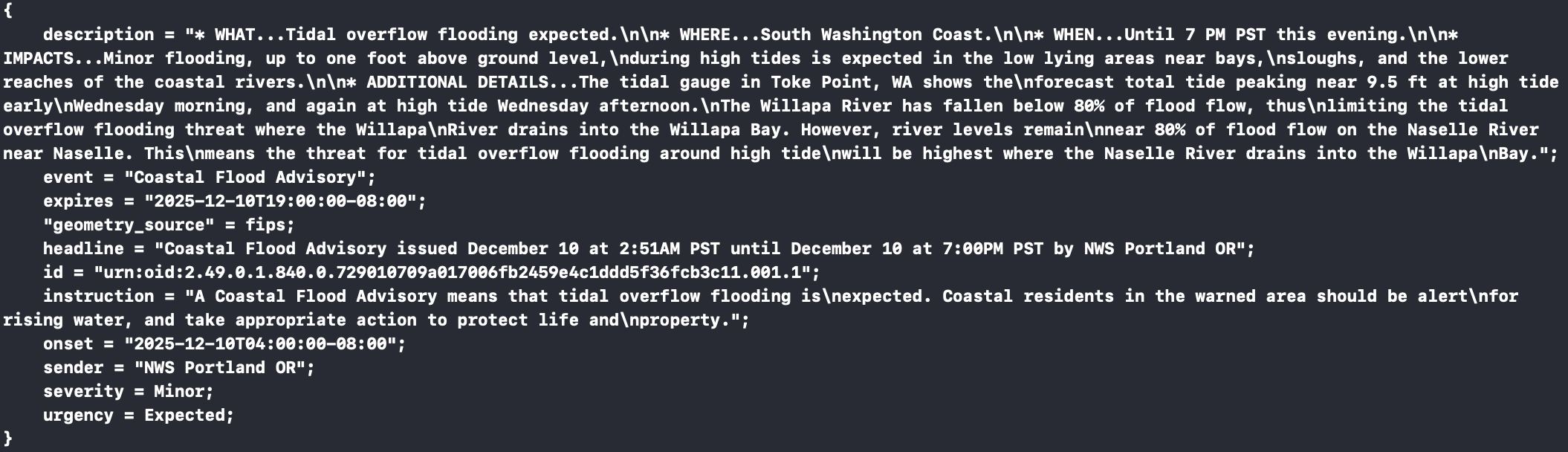
If this image looks like a wall of text, that is because it is. Developers receive the complete set of fields so they can decide how to use them. For WWA weather data, it is essential to keep the exact NWS wording to avoid mistakes that might mislead users, so nothing is altered.
Where WWA Weather Data Is Headed Next
This is our first step in delivering NWS WWA information to mobile weather app developers. Boxer, our cloud platform, is currently gathering and distributing alerts but doing little beyond that.
Looking ahead, we plan for Boxer to support our Labrador users in querying alerts and building their own alert systems tailored to their needs. We’d also like to allow for the generation of alert polygons in use cases beyond the ‘life and property’ focus of the NWS.
We also expect to expand this capability to Terrier for Web based on interest.
This release marks the beginning of our vector-based weather projects, and more are on the way. WWA weather data is only the first step in what we plan to deliver.