
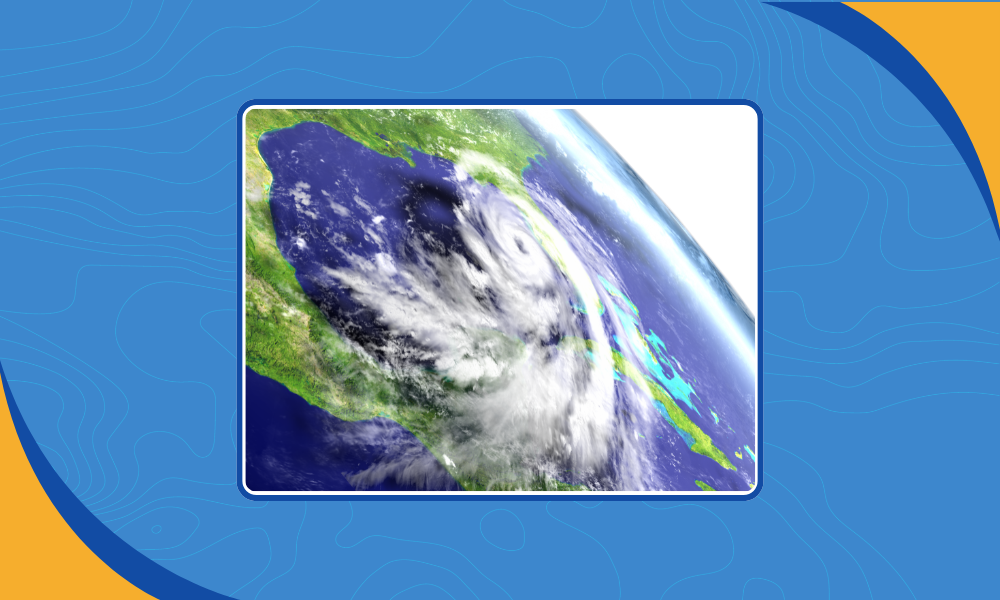
A hurricane is effectively a giant soupy heat engine. Like any engine, it needs the right fuel, parts, and conditions to run. Understanding how hurricanes form helps explain why some seasons produce dozens of storms while others struggle to get started. This year, one of those conditions is quietly being weakened, so it’s worth understanding the machine before we learn why fewer of them may form this season, and why some may still end up mighty.
How Hurricanes Form: The Essential Ingredients
Before a cyclone can spin up, the atmosphere has to assemble a short list of ingredients:
- Warm ocean water: 80°F+ is favorable to spin up convection
- A pre-existing disturbance: ripples of low pressure and clustered thunderstorms, which serve as a seed
- Distance from the equator: The Coriolis effect increases with distance from the equator (as we discussed in a previous post: The Mechanics of Global Weather Patterns), which imparts spin on the flow
- A moist mid-level atmosphere: dry air can choke off rising convection
- Low vertical wind shear: increasing wind strength with height can tilt the system
Taken together, these five ingredients provide candidate conditions for a large storm. Remove one, and the storm formation may struggle to form. Keep that last ingredient in mind, because it’s where 2026 gets interesting.
How Hurricanes Form Into an Organized Storm
Once it has spun up, a mature tropical cyclone organizes into identifiable features. At the center sits the eye, a relatively calm column of sinking air. Wrapped around it, the eyewall is where warm, moist air spirals upward the fastest and is where you’d usually find the strongest winds and heaviest precipitation. Farther out, rain bands surround the core in a coherent pattern.
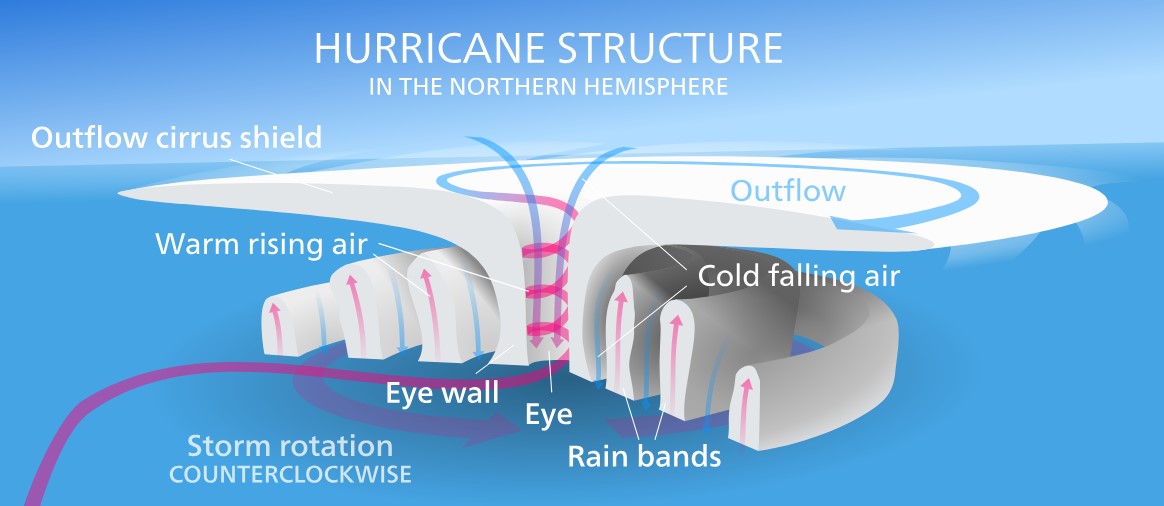
Kelvinsong – Own work Supporting references: Tropical Cyclone Structure (English). National Oceanic and Atmospheric Administration (2022-11-10). Structure and Motion (English). Environment Canada (2013-07-23).
The whole system behaves like a chimney: air converges at the surface toward the center of the low-pressure system, rises through the eyewall, and vents out the top as a cirrus outflow shield. That vertical stacking is key, which is why too much wind shear is so disruptive, as it tilts the chimney and can choke off the storm’s intensity.
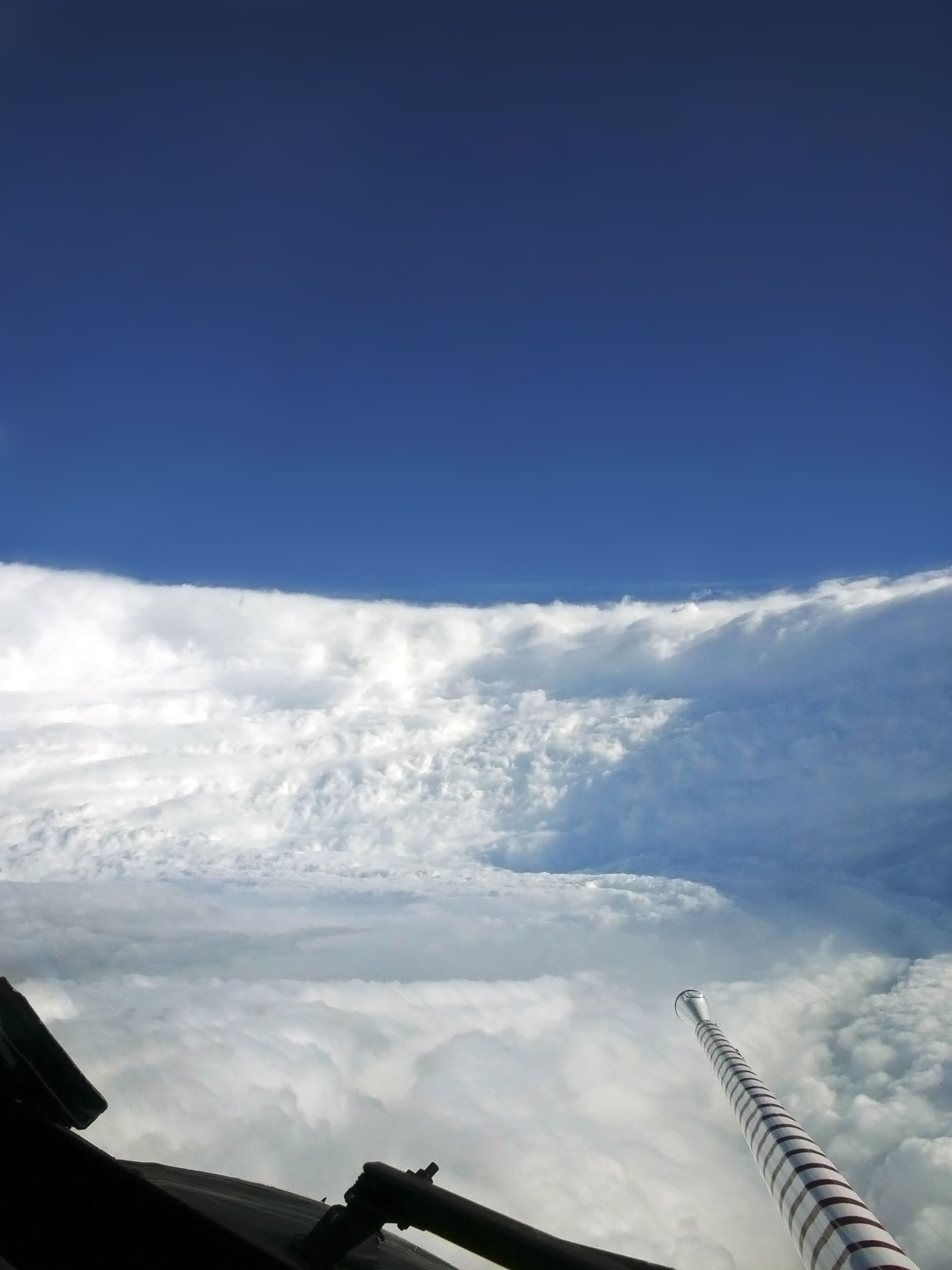
The eyewall of Hurricane Katrina (2005), seen from a NOAA hurricane-hunter aircraft inside the eye.
Understanding how a hurricane is structured is only part of the story. Just as important are the large-scale atmospheric conditions surrounding the storm, which can either help that carefully organized system strengthen or tear it apart.
Why 2026 Could Be Different
This is where El Niño comes into play. As we covered while it was still emerging in the Pacific, the warm phase of ENSO reorganizes tropical circulation and strengthens westerly winds aloft over the Caribbean and Atlantic. With El Niño now confirmed, we will likely see fewer strong events this hurricane season. Colorado State University researchers estimate we will see about 11 named storms this season, which is about 60% of the average. Fewer storms, though, don’t mean no risk. A temporary break in the shear, coupled with other ingredients, can still create conditions conducive to a strong system. Once a system reaches hurricane strength, it becomes largely self-sustaining and less affected by shear. It still only takes one major landfall to define a season.
Tracking Watches, Warnings, and Advisories
At Wet Dog Weather, we don’t issue seasonal hurricane forecast products, but we do make the signal visible. When a tropical system threatens the coast, the watches, warnings, and advisories issued by the National Weather Service can pile up fast.
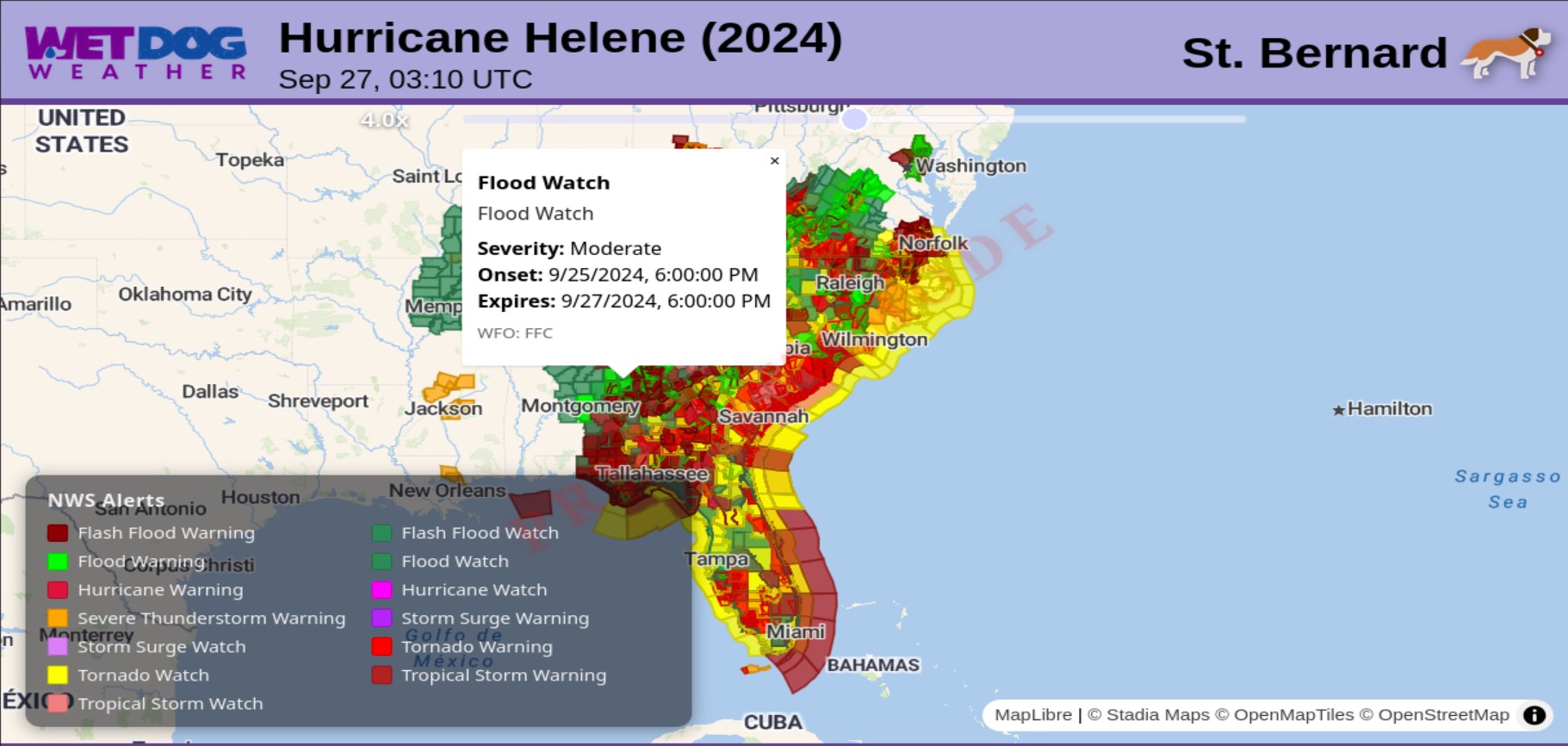
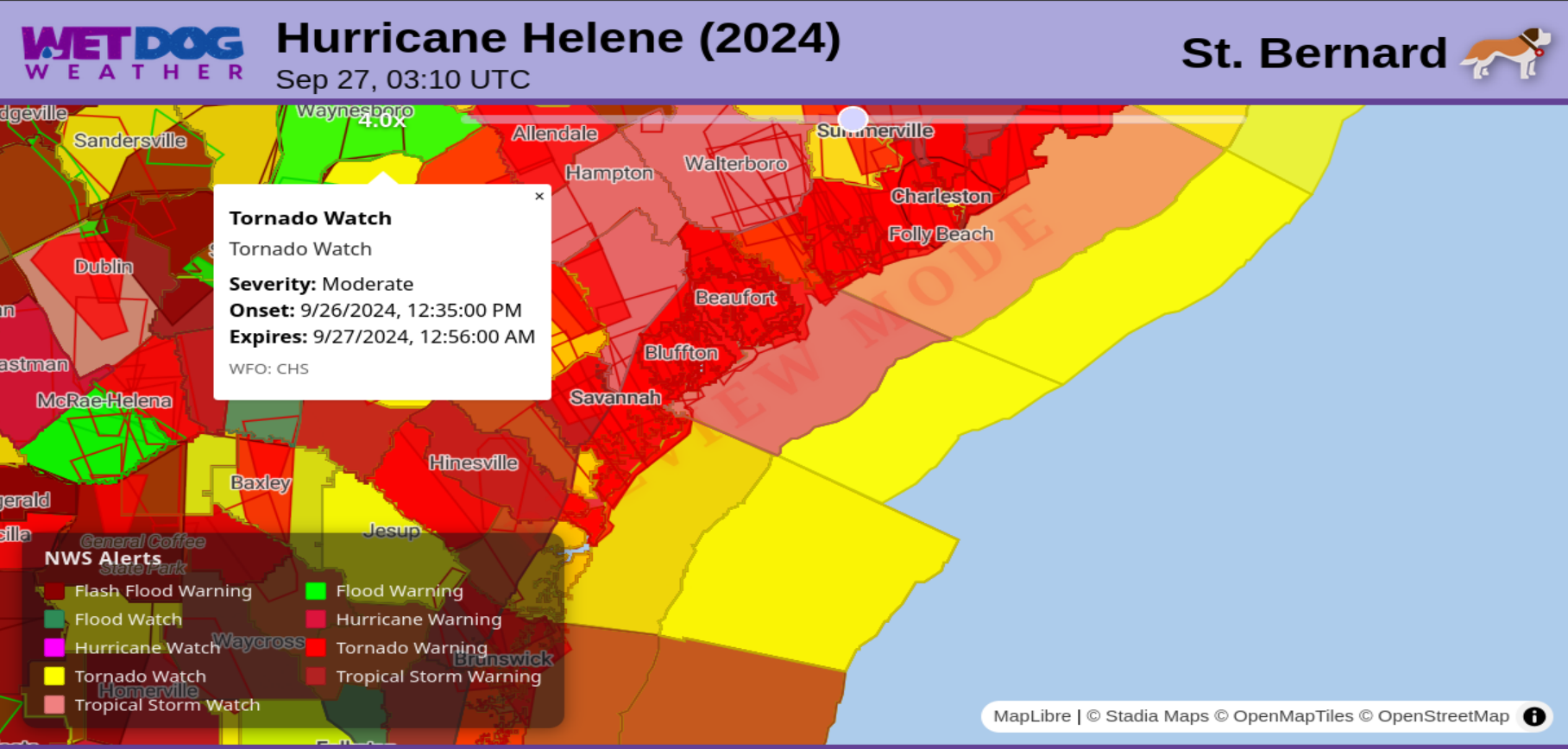
Our product, St. Bernard, displays NWS alerts as live polygons layered over the underlying weather data, so you can watch threats unfold in real time.
How Hurricanes Form Still Matters
While El Niño may reduce the number of storms that develop this season, it does not eliminate the risk. Hurricane formation remains a balancing act between warm water, moisture, atmospheric stability, and wind shear. When those ingredients come together, even in a quieter year, a powerful storm can still emerge.
That is why forecasters focus on more than just seasonal storm counts. Understanding how hurricanes form helps explain why some disturbances never organize while others become major hurricanes. Whether 2026 ends up quiet or active, it still only takes one storm in the right place to make it a memorable season.